Sleep on a Plane: Eye Masks, Sleep Earbuds & 3 More Options
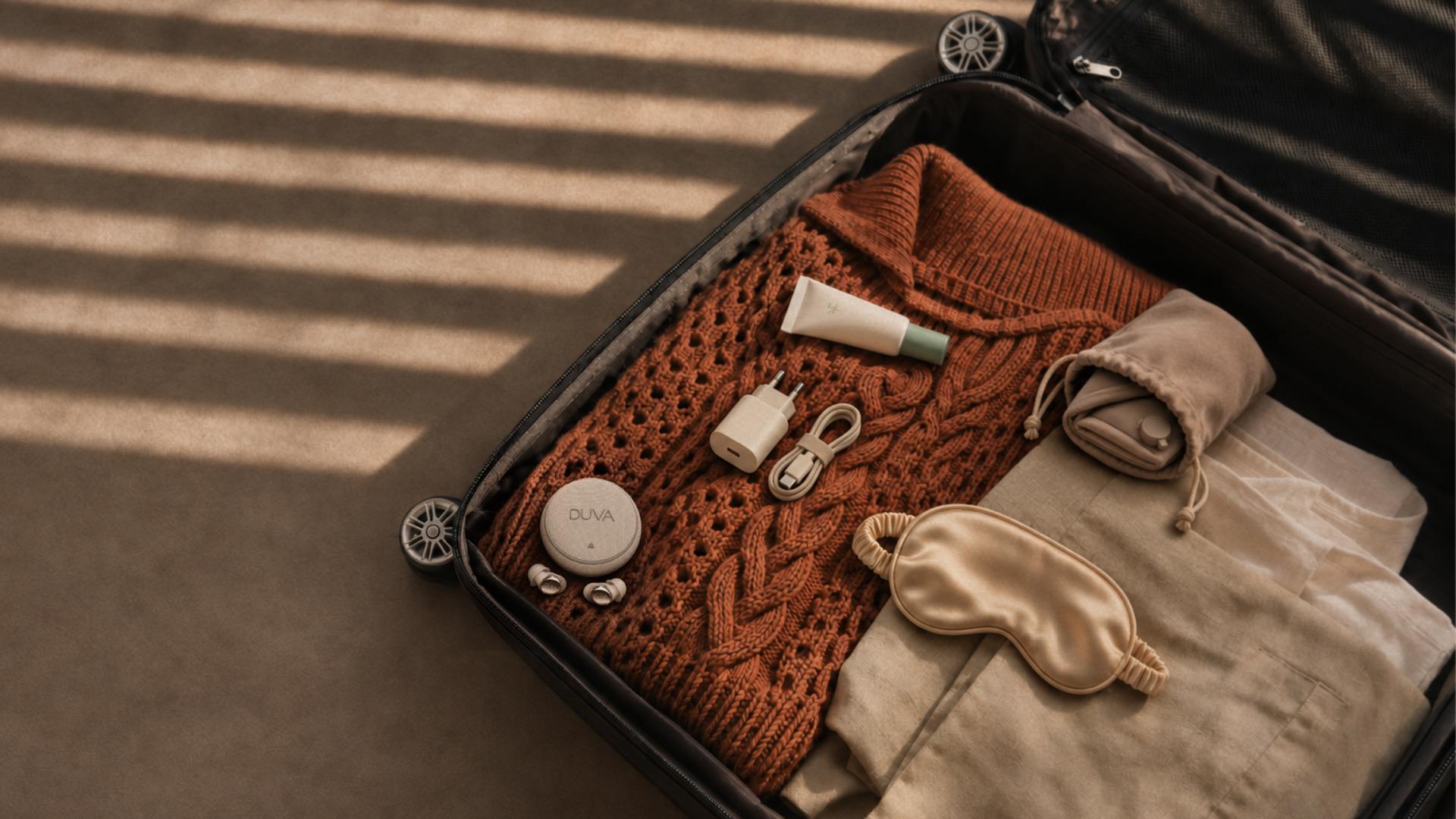
Pack for the thing that keeps you awake on a plane: head movement, cabin light, noise, or uncomfortable feet. You do not need to buy a complete sleep kit.
These five categories help you pack for air travel. Start with what you already own, and keep the items you plan to use within reach.
Inflatable Travel Neck Pillows
A neck pillow can support your head while you rest upright. The right shape matters more than thickness: a pillow that pushes your head forward may make you less comfortable.
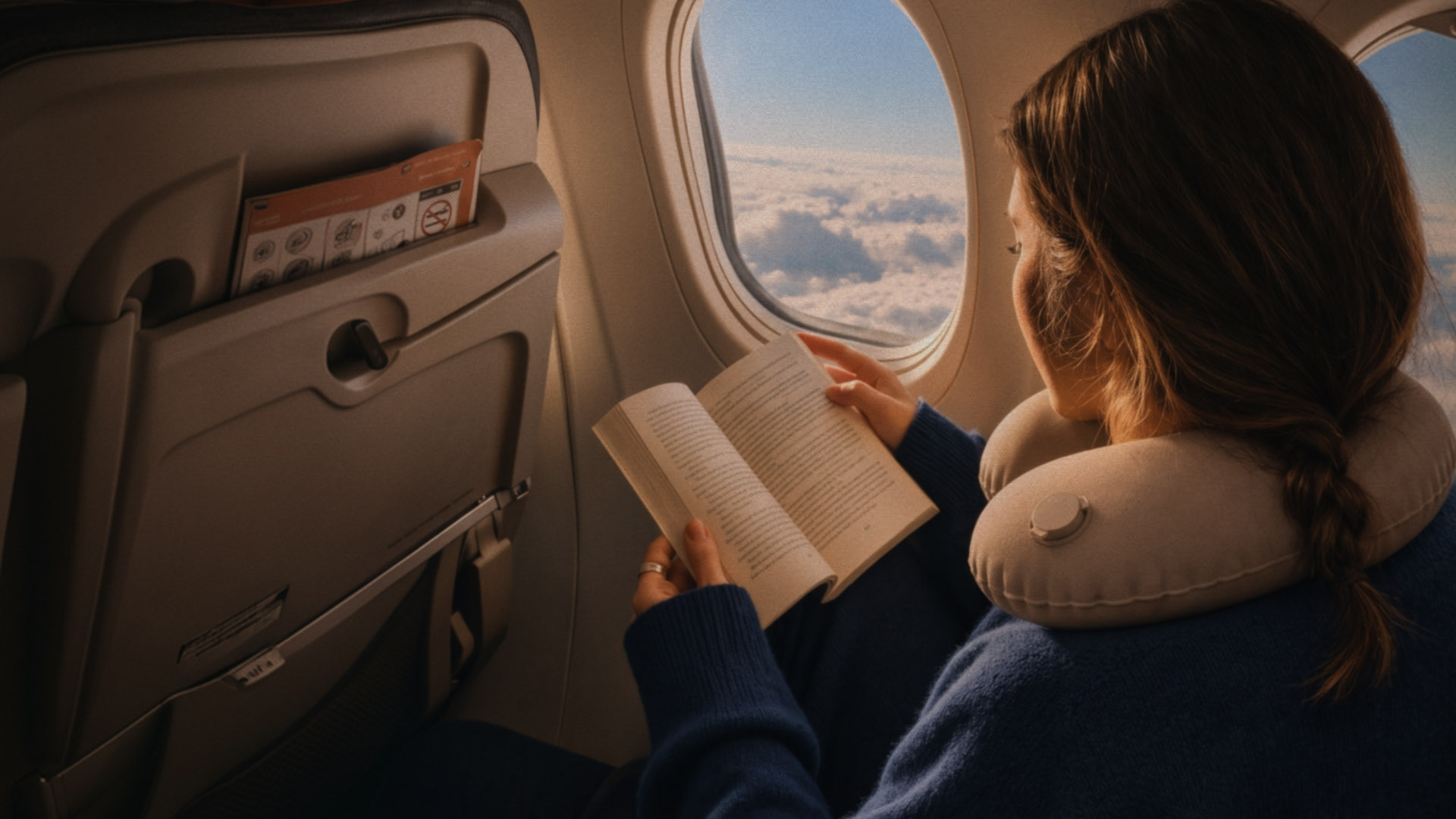
Head drops forward: Look for support near your chin. A standard U-shaped neck pillow may not prevent this movement.
Head leans sideways: Higher side supports may help.
You rest against the seatback: Avoid a thick back section that pushes your head forward.
An inflatable design packs small and lets you adjust firmness. Try it with your usual resting position rather than choosing the softest option.
Blackout or Steam Eye Masks?
A blackout eye mask blocks cabin light. A disposable steam eye mask provides gentle warmth for a short period of relaxation. They serve different purposes.
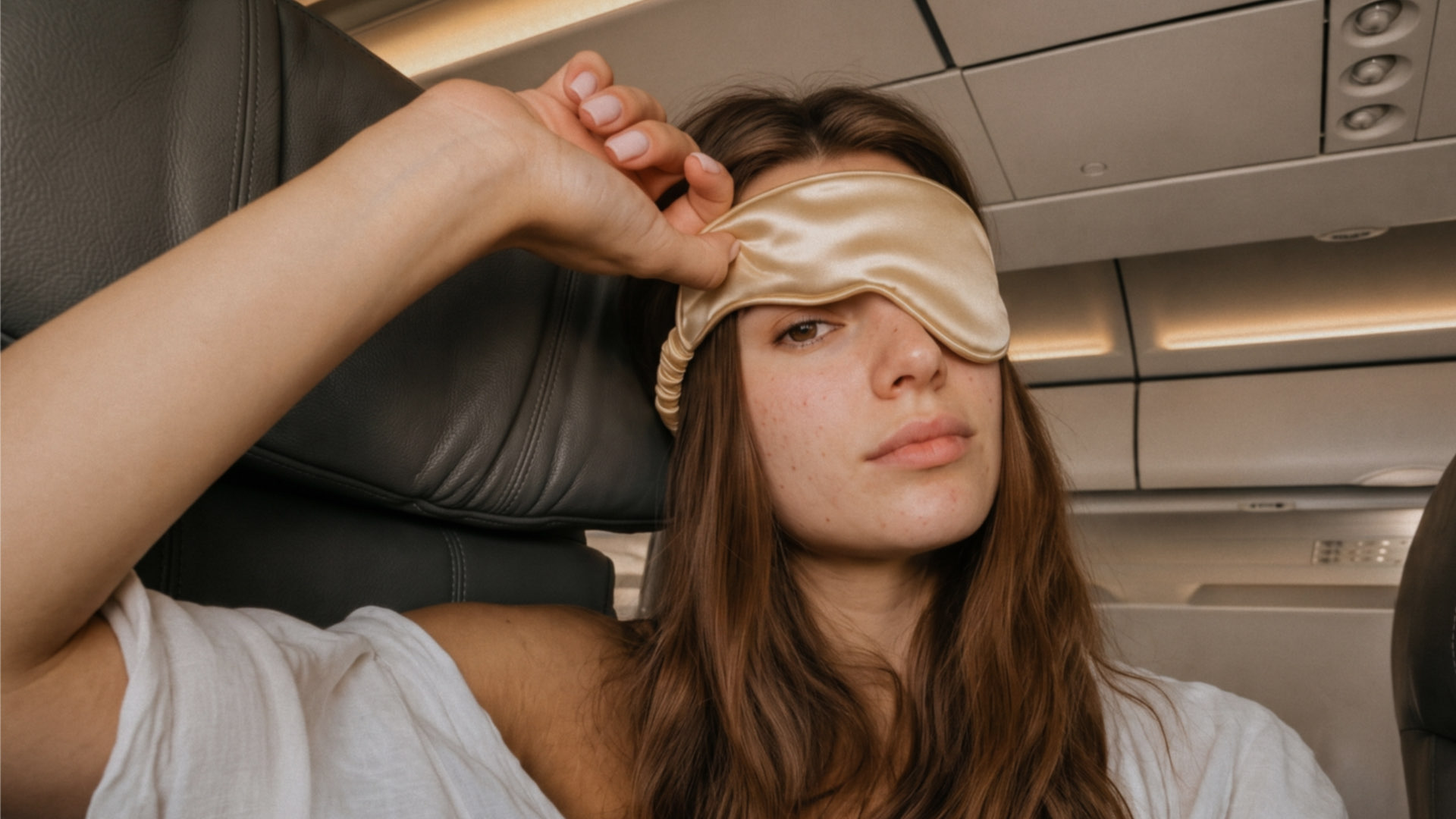
For light sensitivity: Check for gaps around your nose. A thicker fabric does not help if light leaks around the edges.
For less pressure: Contoured cups leave room for your eyelids and lashes.
For side resting: Look for thin sides and a fastener that does not press against your head or the seat.
For eye fatigue: Gentle warmth may ease some eye discomfort. Follow the mask’s directions, and do not treat it as a substitute for medical eye care.
If you bring only one, choose a comfortable blackout sleep mask. Pack a steam mask only if warmth is something you want during the trip.
Earplugs or Sleep Earbuds?
Engine rumble, conversations, and movement around the cabin can interrupt rest. Choose by the noise you want to reduce and whether you want audio.
No audio needed: Foam or silicone earplugs use a physical seal and need no charging.
Engine noise bothers you: For noise-canceling earbuds, compare the manufacturer’s noise-control features. Fit, sound type, and surroundings affect results.
You listen to podcasts or white noise: Check Bluetooth playback and battery life in that mode, not just the advertised maximum.
You lean against a pillow: Check for pressure from the earbud body and ear tips. Our fit guide for side sleepers explains useful checks.
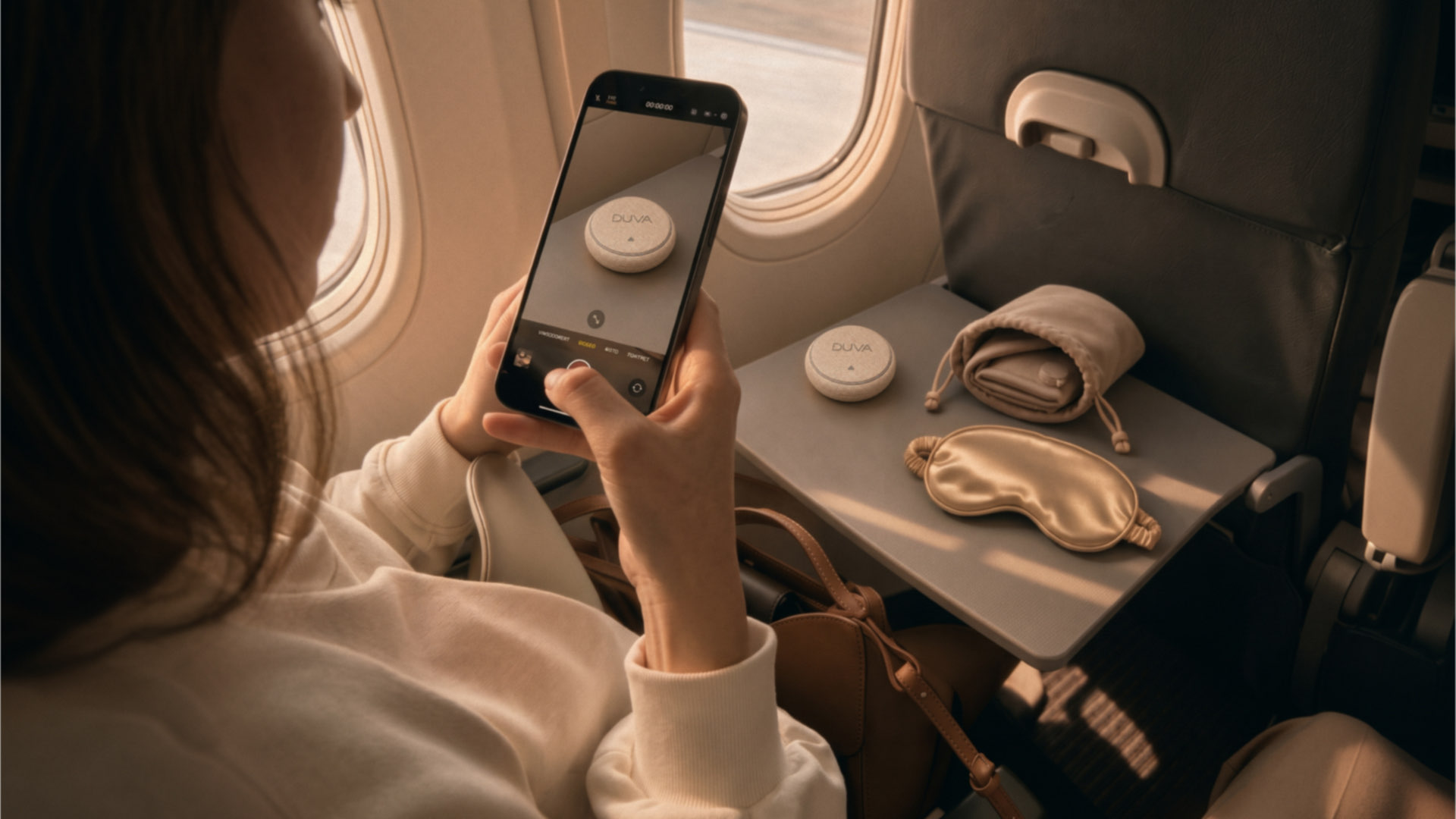
DUVA ONE combines acoustic sealing, passive noise isolation, Enhanced Noise Reduction, and sleep sound masking with sleep audio and heart rate and HRV monitoring.[4] Its case monitors noise, temperature, humidity, and light.[3] These features may interest travelers who also want to observe their sleep environment in hotels. Results depend on fit and surroundings. For an explanation of background audio, see how sound masking works.
Roomy Travel Slippers
Feet may swell mildly during a long flight, making shoes feel tight. Roomy slippers can ease pressure while you sit.
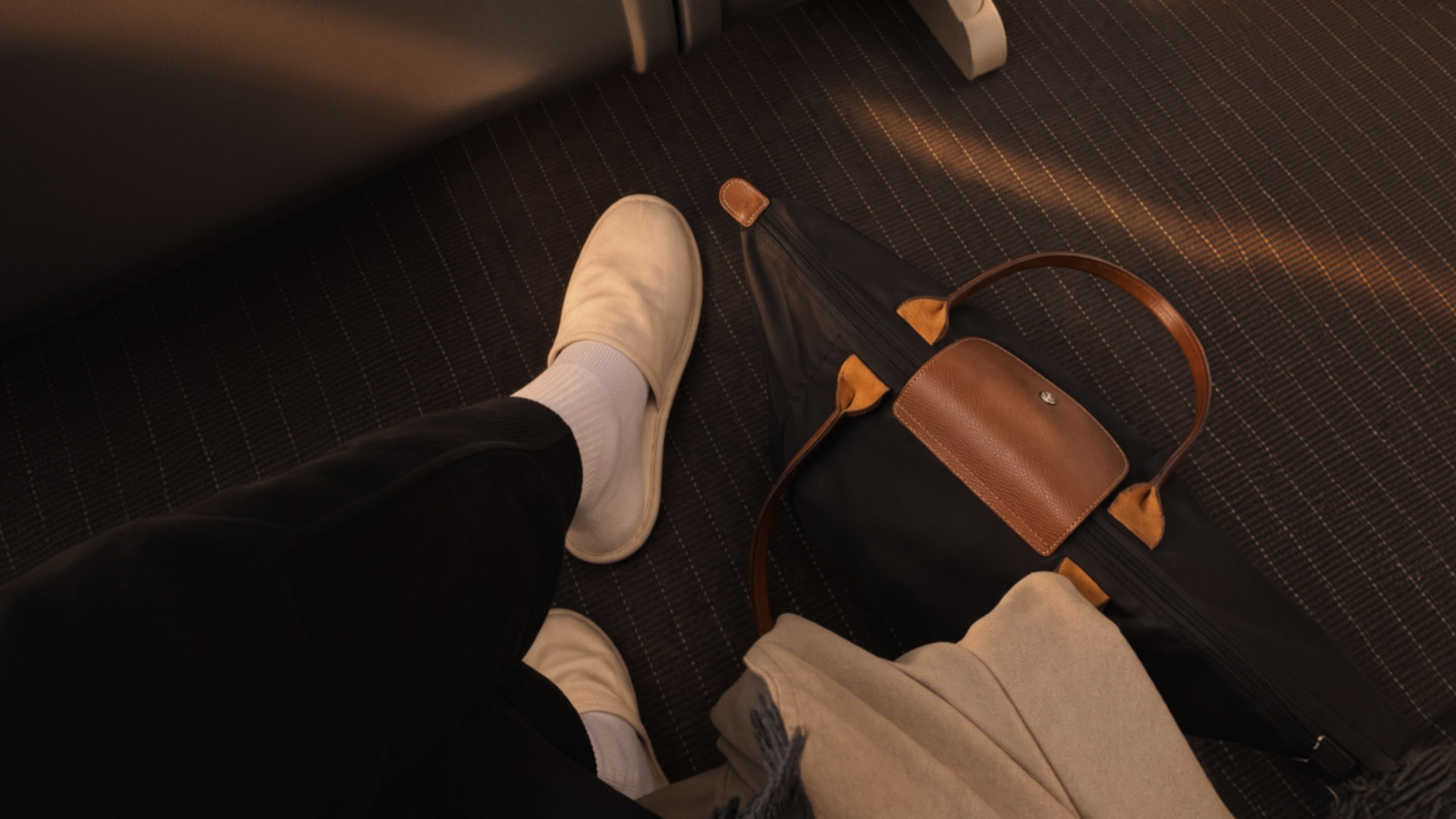
Look for secure uppers and non-slip soles with some thickness. Avoid designs that slide off easily. Closed toes and socks help keep cold feet warm. Disposable slippers are light and need no washing afterward, but change back into secure shoes when walking around.
Regular or Compression Socks?
Regular socks provide warmth and comfort. Graduated compression stockings apply different levels of pressure around the ankles and calves. They are not a general requirement for every long flight.
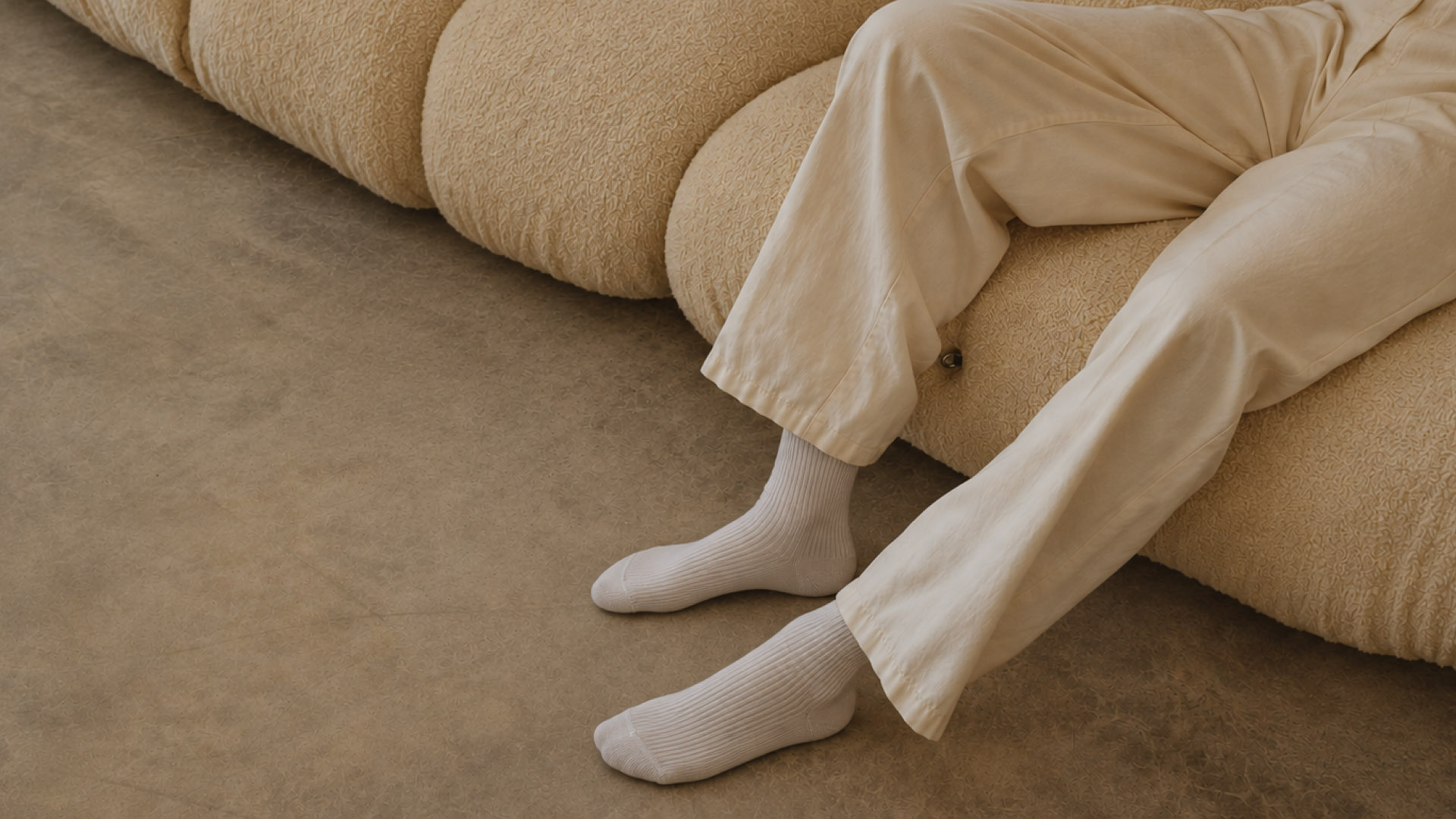
Whether you need flight compression socks depends on your individual blood-clot risk, not flight duration alone. If you are at risk, talk with your doctor before traveling about whether they are appropriate. [1]
Do not choose a higher compression level simply because your flight is longer. CDC guidance distinguishes travelers with increased clot risk from those without risk factors.[2] Keep this medical decision separate from choosing comfortable socks.
Frequently Asked Questions
Which Items Are Most Useful on a Long Flight?
A blackout eye mask, earplugs or sleep earbuds, and a neck pillow cover light, noise, and head support. Choose the ones that address your own discomfort; you may not need all three.
Are Earplugs or Earbuds Better for Plane Sleep?
Earplugs are simple and need no battery. Earbuds add audio and, depending on the model, other noise-control features. Check fit and listening volume, and keep important announcements noticeable. See our sleep-earbud safety guide for ear-care precautions.
Should You Bring a Steam Mask or a Blackout Mask?
Choose blackout for ongoing light blocking. Choose steam for short-term warmth, following the instructions. A steam mask is not automatically the better sleep option.
How Long Must a Flight Be to Need Compression Socks?
Can a Neck Pillow Improve Plane Sleep?
It may reduce discomfort from head movement. Choose front or side support to suit how you rest. The result depends on your seat and the pillow; better support does not guarantee better sleep.
How Can You Save Carry-On Space?
Choose compact items you will use: an inflatable pillow, a lightweight mask, and earplugs or small earbuds. Check what you already have before buying travel versions of everything.
Final Thoughts
Start with the problem you expect most: support for a dropping head, a mask for light, or earplugs or earbuds for noise. Add foot comfort items if needed. Avoid doubling up on items that serve the same purpose.
References
Centers for Disease Control and Prevention. Understanding Your Risk for Blood Clots with Travel.
Centers for Disease Control and Prevention. Deep Vein Thrombosis and Pulmonary Embolism. CDC Yellow Book.
DUVA. DUVA ONE. Official product page.
DUVA. Support: Noise Reduction.