


Is it safe to sleep with earbuds
Listening to podcasts, white noise, or rain sounds before bed has become part of many people’s sleep routine. But if you sleep with earbuds every night, wearing them for seven or eight hours at a time, could you harm your ears or even develop an ear canal infection?
The answer is that there is some risk, but long-term use of sleep earbuds does not necessarily lead to infection. What really deserves attention is moisture in the ear canal, how clean the earbuds are, and the friction and pressure that come with prolonged wear. [5] [1] [2]
Why Might Sleeping with Earbuds Cause an Ear Canal Infection?
The main concern is an outer ear canal infection (Otitis Externa), also called “swimmer’s ear.” Despite the name, this infection does not occur only after swimming. According to Mayo Clinic, moisture trapped in the ear canal, skin damage, and irritation from certain in-ear devices can all increase the risk of an outer ear canal infection. [1] A 2023 clinical evidence review in American Family Physician also lists the use of earplugs, hearing aids, or earbuds, moisture, and sweating as risk factors. This is evidence about otitis externa in general, not a dedicated trial of wearing sleep earbuds all night. [2]
For people who regularly wear sleep earbuds, there are three main factors to keep in mind:
Moisture in the Ear Canal Can Encourage Bacterial Growth
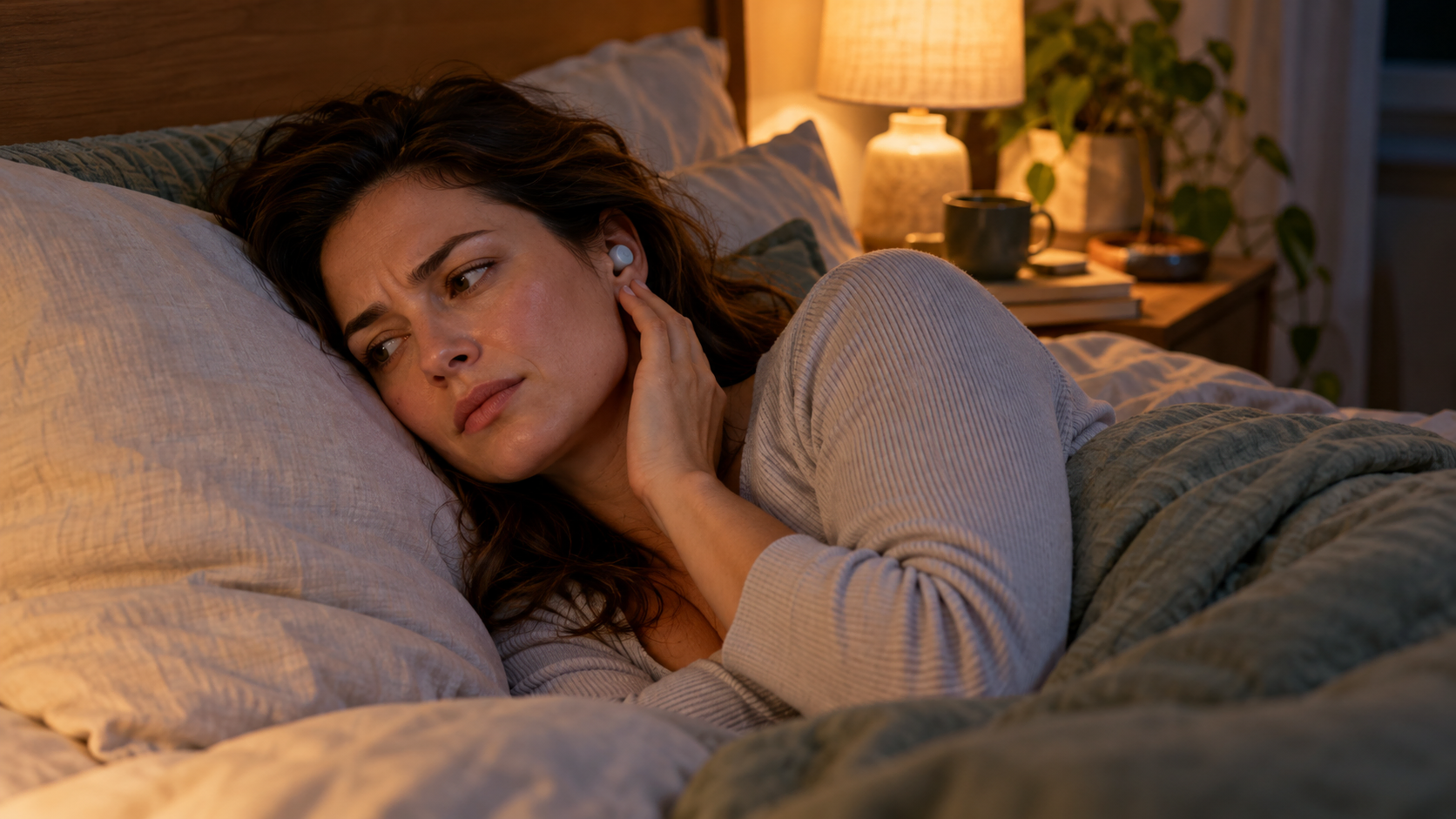
Before putting in earbuds, check whether any moisture remains in your ears. If your ears have not dried completely after a shower, or if you sweat heavily at night, the moist environment may increase the risk of an outer ear canal infection. [5] [6] [1]
Earwax and Debris Buildup on Earbuds
Earbuds used over time can collect earwax, skin oils, and sweat. If they are not cleaned promptly, this debris may build up around the ear tips and sound openings, increasing skin irritation and hygiene-related risks. [5] [3] What needs cleaning here is the residue on the earbuds. Normal earwax inside the ear canal serves a protective purpose, so there is no need to deliberately remove all of it in the name of “hygiene.”
Prolonged Pressure and Friction Against the Ear Canal
Side sleepers should pay attention to discomfort when the pillow presses against their earbuds. [5] Earbuds should fit snugly but comfortably, without being forced tightly into place. Mayo Clinic notes that in-ear devices may cause tiny injuries to the skin of the ear canal, and damaged skin is a risk factor for outer ear canal infections. This supports paying attention to friction and pressure, but it does not establish the infection rate associated with any particular earbuds for side sleeping. [1]
How Can You Reduce the Risk of Ear Canal Infections When Using Sleep Earbuds?
The following habits can help manage risks related to moisture, irritation, and device hygiene. They are general prevention and care recommendations, not an indication that any particular sleep earbuds have been proven in trials to prevent infection. [2]
Clean Your Earbuds and Ear Tips Regularly
Keep your earbuds and ear tips clean. Earbuds can collect earwax, sweat, skin oils, and dirt, and this buildup can increase the risk of irritation and infection. [5] For cleaning methods and products, follow the instructions for your own earbuds and ear tips. If those instructions are unclear, ask the manufacturer before cleaning them.
Avoid Wearing Earbuds While Your Ear Canals Are Wet
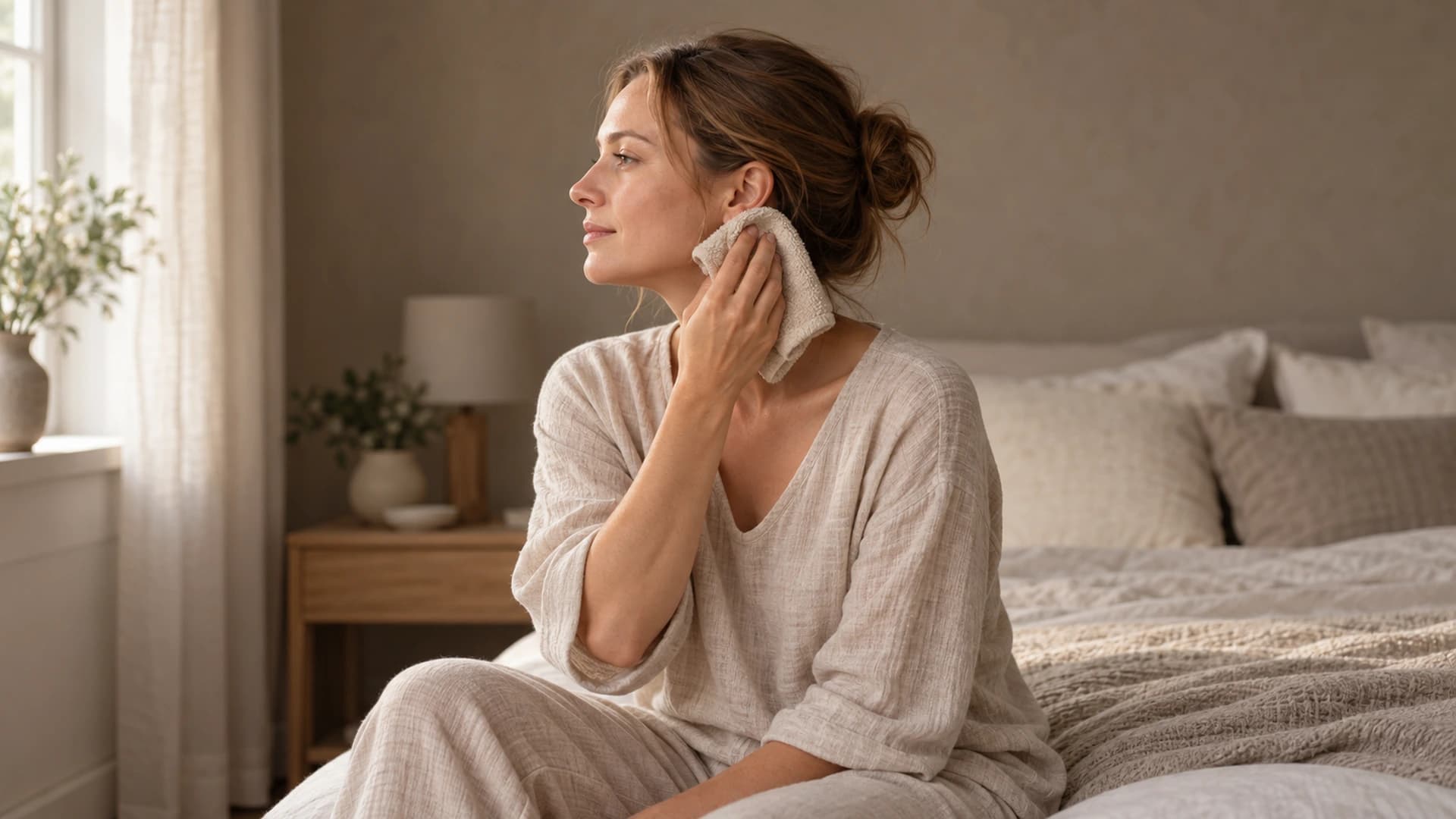
After showering, swimming, or heavy sweating, let any remaining water drain out and gently dry the outer ears with a soft towel. Wait until your ears are dry before putting in earbuds. Do not insert cotton swabs deep into the ear canal to absorb water or remove earwax, as this can damage the skin. [6]
Choose Earbuds That Suit Side Sleeping
You can start by trying low-profile, lightweight products that offer different ear tip sizes, and judge them by how comfortable they feel when you actually lie on your side. Earbuds should fit your ears rather than rely on being forced tightly into place. A proper fit should be snug but comfortable. If you feel pain while lying on your side, stop wearing the earbuds first, then check the ear tip size, how you are wearing them, and the condition of your ear canal. Do not treat pain as something normal that you need to get used to. [5] [1]
Stop Using Earbuds if They Cause Discomfort
If you develop itching, pain, or discomfort in the ear canal, stop using them rather than continuing to force yourself to wear them. [5]
Are Dedicated Sleep Earbuds Safer Than Regular Earbuds?
When choosing dedicated sleep earbuds, you can consider a slim, lightweight design, pressure when lying on your side, and ear tip fit. But these are mainly comfort and fit considerations. The label “dedicated sleep earbuds” alone does not establish a lower risk of infection. [1]
For example, according to DUVA’s official product information, DUVA ONE has a low-profile design that sits close to the outer ear and offers replaceable ear tips and ear wings in different sizes to accommodate different ear shapes. These design features aim to support side-sleeping comfort and fit, but you still need to try the earbuds to judge whether they are comfortable for you. [8] [4]
It is important to remember, however, that a comfortable fit does not mean that a product can prevent ear canal infections. No matter which sleep earbuds you use, keeping them clean, avoiding moisture, and choosing properly fitting ear tips remain very important. [1] [3]
Frequently Asked Questions
Will Wearing Sleep Earbuds for Eight Hours Every Night Cause an Ear Infection?
Not necessarily. The medical sources cited in this article emphasize risk factors such as moisture, damage to the skin of the ear canal, device hygiene, and existing skin conditions. They do not establish a cutoff at which “eight hours of wear causes an infection” or “anything under eight hours is definitely safe.” You therefore cannot judge your individual risk of infection based on wearing time alone. [1] [2] [3]
Does Active Noise Cancellation (ANC) Cause Ear Infections?
You cannot judge the risk of an ear canal infection simply by whether ANC is on. The medical sources cited here focus on physical contact between earbuds and the ear canal, moisture, skin damage, and device hygiene, rather than treating the ANC switch as a safety standard. These sources are not trials comparing infection rates with ANC turned on versus off. [1] [2]
What Symptoms Mean You Should Stop Using Sleep Earbuds?
If you develop ear pain, itching in the ear canal, swelling, unusual discharge, or changes in hearing, stop wearing the earbuds and seek a medical evaluation. [5] [7] You do not need to wait until symptoms become severe. If you experience severe ear pain or a fever, seek urgent medical care as soon as possible. [1] These symptoms can also be caused by other problems, such as contact dermatitis, so discomfort alone is not enough to conclude that you have an infection. [2]
How Often Should You Replace Ear Tips?
Follow the care and replacement instructions for your specific earbuds and ear tip material. If the instructions do not specify a replacement schedule, contact the manufacturer for guidance rather than borrowing a schedule from another product.
Final Thoughts
Sleeping with sleep earbuds does not necessarily cause an ear canal infection, but moisture, skin irritation, and device contamination during wear deserve attention. Wearing time or a product’s name alone cannot determine your individual risk. [1] [3]
Choosing comfortably fitting earbuds, keeping the ear tips clean, avoiding moisture in the ear canals, and promptly paying attention to discomfort are the keys to safer use.
For people who like to fall asleep to podcasts or sleep sounds, sleep earbuds can be a practical tool, but ear health should always come first.
References
[4] DUVA. DUVA ONE — Closed-Loop Sleep System & Sleep Earbuds. Official product page.
[5] Cleveland Clinic. (2026, April 8). Is It OK To Sleep With Earbuds In? Health Essentials.
[7] NHS. (Reviewed January 16, 2025). Ear infections.
[8] DUVA. FAQs — Wearing & Comfort. Official support.