Earbuds for Sleeping: What to Look for Before You Buy
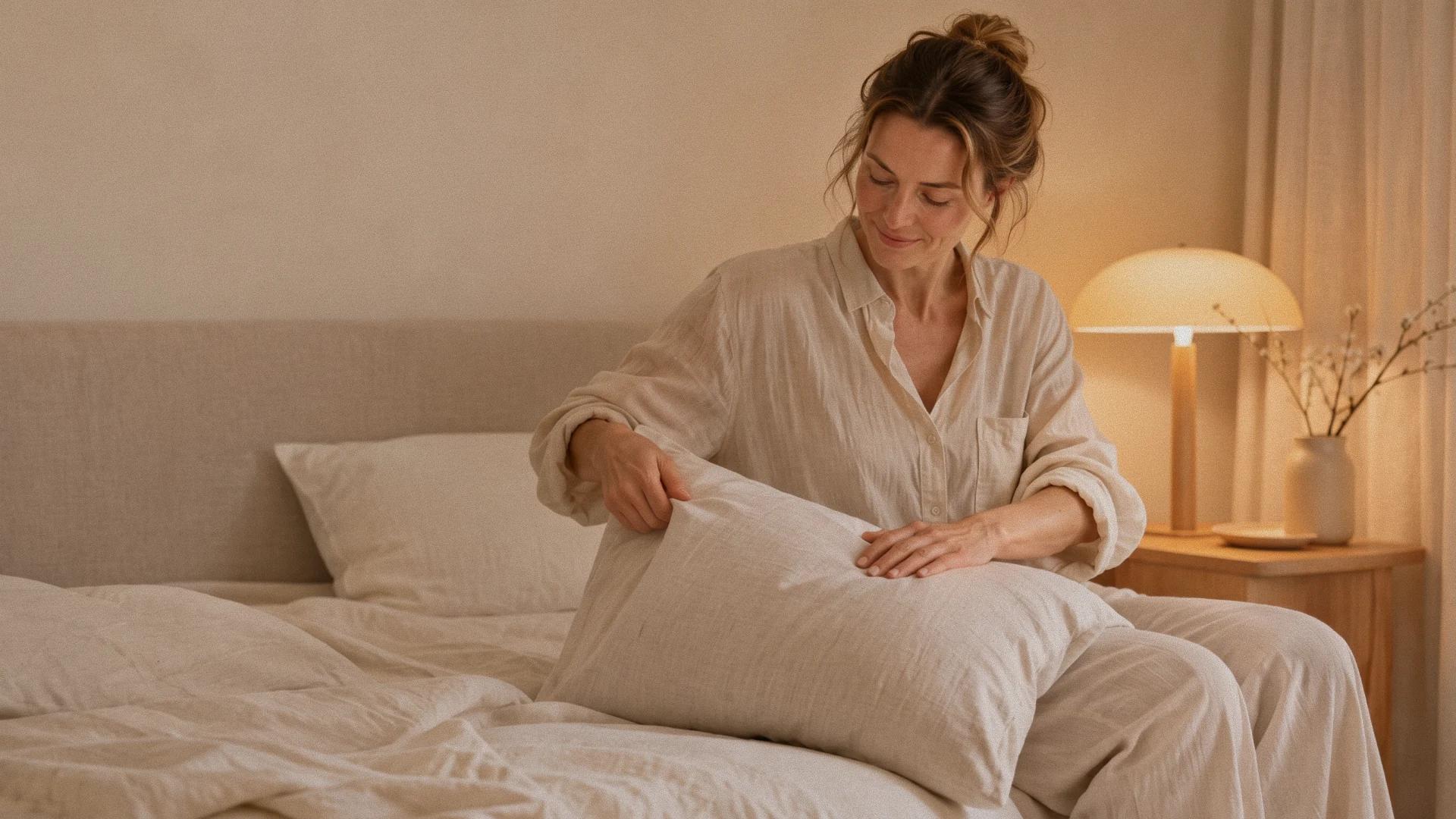
Earbuds for sleeping need to work when your head is on a pillow, your room is dark, and you would rather stop adjusting settings. Good daytime sound quality alone does not tell you whether a pair will suit your nights.
Start with what you need most: a podcast before bed, less distracting bedroom noise, or a comfortable fit when you roll onto your side. Then compare fit, noise control, playback, and battery life in that order. The right earbuds for sleep should fit your routine without adding another bedtime chore.
Which Earbuds for Sleeping Fit Your Needs?
The best earbuds for sleeping depend on what you expect them to do. Use your main bedtime habit to narrow the options before comparing extras.
Your priority | Check first | Watch for |
|---|---|---|
Bedtime podcasts | Streaming from your preferred app | Built-in sounds may be the only audio option |
Side sleeping | Housing shape and pillow contact | Small ear tips do not guarantee a slim housing |
Bedroom noise | ANC, passive isolation, or masking | “Noise reduction” can describe different features |
Overnight audio | Battery life in your chosen mode | Charging-case totals are not uninterrupted runtime |
Once you know your priorities, compare sleep earbud options using the same criteria for each model.
Comfort Comes First, Especially for Side Sleepers
Check the Housing, Not Just the Ear Tips
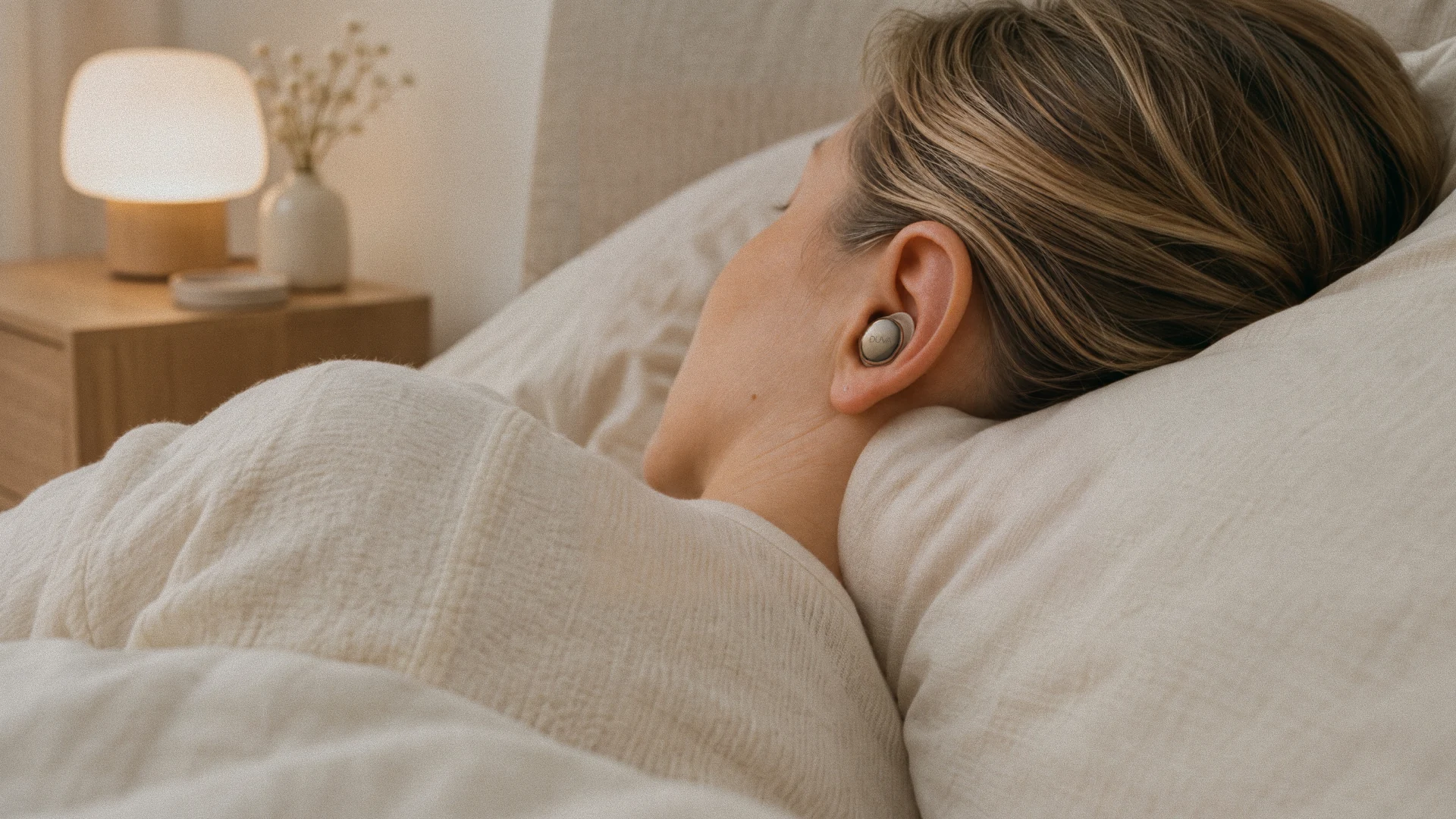
Comfortable earbuds for sleeping need both a suitable ear tip and a housing that fits your outer ear. Soft ear tips may not help if your pillow presses the housing into your ear. Look at side-view photos, available tip sizes, and whether any stabilizing wings can be changed.
Small earbuds for sleeping are worth considering, but “small” is not a complete fit specification. Shape, insertion depth, and your ear anatomy also matter. Avoid choosing solely by a product's weight or smallest advertised measurement.
Check How They Feel Against Your Pillow
If you plan to sleep on your side, check the return policy before buying. Does it allow returns after opening and trying the earbuds? Who pays return shipping?
If a trial is permitted, test both sides on your usual pillow while awake. Notice pressure, slipping, and accidental touch controls as you turn your head. Stop if wearing them hurts. For more detailed fitting advice, see our guide to sleep earbuds for side sleepers.
Noise Cancellation, Isolation, or Sound Masking?
When shopping for noise cancelling earbuds for sleeping, check what the label actually means. These approaches do different jobs:
Feature | What it does | What to verify |
|---|---|---|
Active noise cancellation (ANC) | Uses electronics to reduce external noise | Whether it works without audio and in sleep mode |
Passive isolation | Uses the ear tip's seal to reduce incoming sound | Fit options and whether the seal stays comfortable |
Sound masking | Plays sound to make other noises less noticeable | Available sounds and adjustable playback volume |
ANC primarily targets low-frequency noise, and its effectiveness varies with fit and the surrounding sounds. It does not create complete silence.
For a snoring partner, avoid treating any single noise-reduction claim as a guarantee. Consider the seal, available features, and your tolerance for added sound together. Our ANC, passive isolation, and sound-masking guide explains the differences in more detail.
Check What They Can Play—and for How Long
Bluetooth Audio vs. Built-In Sleep Sounds
Wireless earbuds for sleeping do not necessarily stream everything on your phone. Some use stored sleep sounds; others support music, podcasts, or both. Confirm compatibility with your preferred listening app before buying.
Check whether setup requires a companion app, whether sounds need downloading, and what remains available without your phone nearby. If you only want audio while falling asleep, a timer may matter more than the size of the sound library. Also check what happens when streaming ends: silence, automatic shutdown, or a switch to built-in sounds.
Check which features are included in the purchase price and which require a subscription. If you expect to change settings during the night, find out whether you can do that on the earbuds. Look for options to disable voice prompts or touch controls that your pillow could trigger.
Compare Battery Life in the Mode You Will Use
Read the battery figure for your intended settings. Bluetooth streaming, ANC, and stored-sound playback may have different runtimes. A headline figure for one mode should not be assumed to apply to another.
Compare a single earbud charge with the length of your usual night, allowing some margin. Charging-case capacity helps between uses; it cannot recharge earbuds while you are wearing them. If a brand does not specify the relevant mode, ask before purchasing.
Your Before-You-Buy Checklist
Before choosing earbuds for sleeping, confirm six things:
Fit: The housing and tips suit your ears and sleeping position.
Noise control: You understand which features are included.
Playback: Your preferred audio source is supported.
Battery: One charge covers your intended use in the right mode.
Awareness: Consider whether reduced hearing could affect alarms or caregiving responsibilities.
Returns: You understand trial conditions, deadlines, and costs.
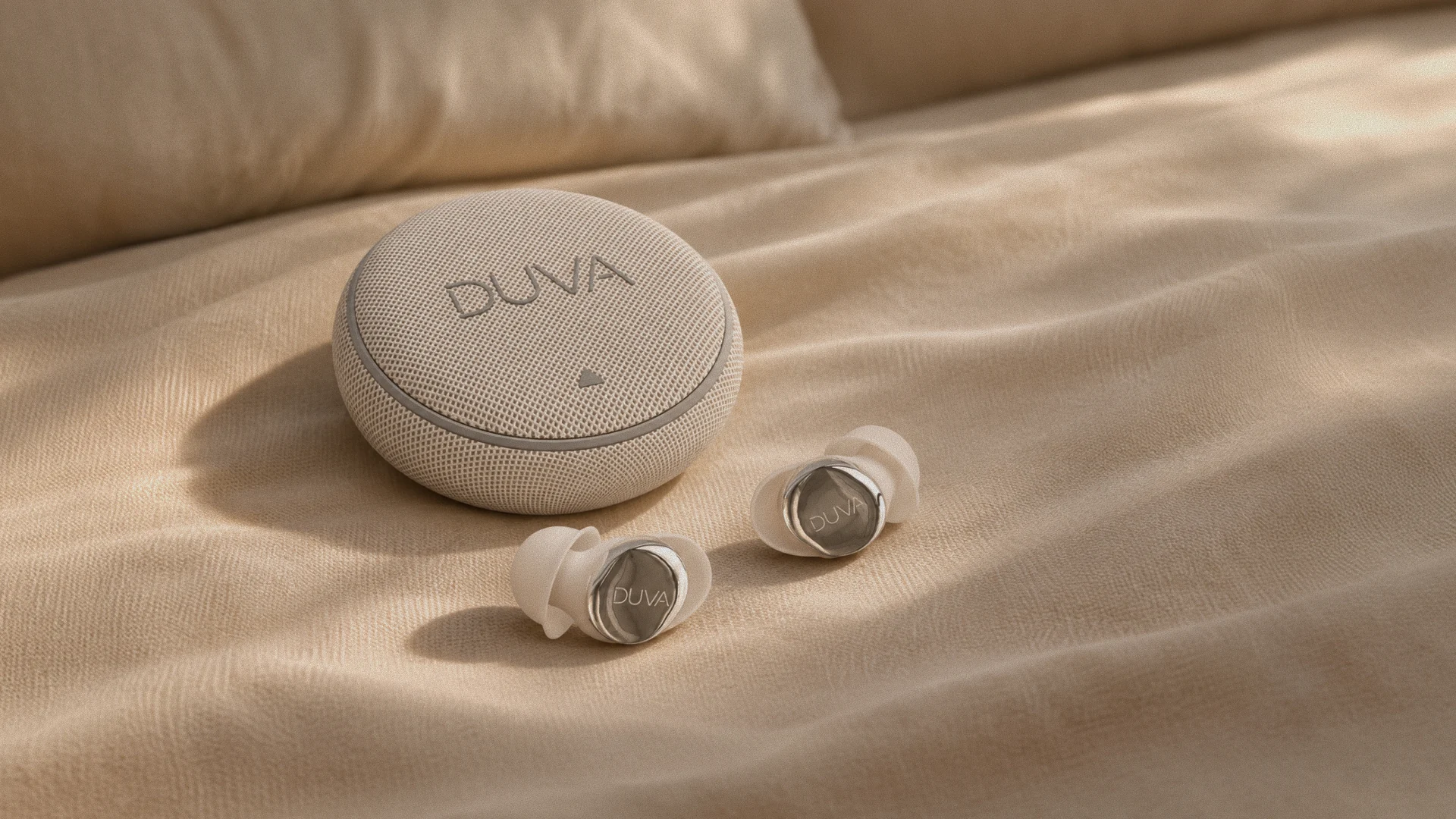
Use this checklist when reviewing DUVA ONE, too. Its product page describes a flush fit, interchangeable tips and wings, streaming, and built-in sounds. Check current specifications and purchase terms against your needs. The advertised $1 offer is for a VIP pack; the earbuds are purchased separately.
Frequently Asked Questions
Can Noise-Cancelling Earbuds Work Without Playing Music?
Some can. ANC does not inherently require music, but automatic shutdown and app settings vary by model. Passive isolation also works without audio; sound masking requires sound playback, even when that sound is not music.
Is It Safe to Sleep in Earbuds?
There is no blanket guarantee. Keep volume low and limit listening time: both loudness and duration affect hearing risk, according to the WHO. Keep earbuds clean, stop if they cause discomfort, and consider whether they interfere with important sounds. See Cleveland Clinic's guidance and our sleep-earbud safety guide.
Are Regular Wireless Earbuds Suitable for Sleeping?
They may suit a short listening session before bed. For longer wear, assess pillow pressure, fit, controls, and battery life. If you already own a pair, check those basics before deciding whether dedicated sleep earbuds would address a specific problem.