


Can't Sleep Because Your Partner Snores? How to Choose Between Earplugs, White Noise, and Sleep Earbuds
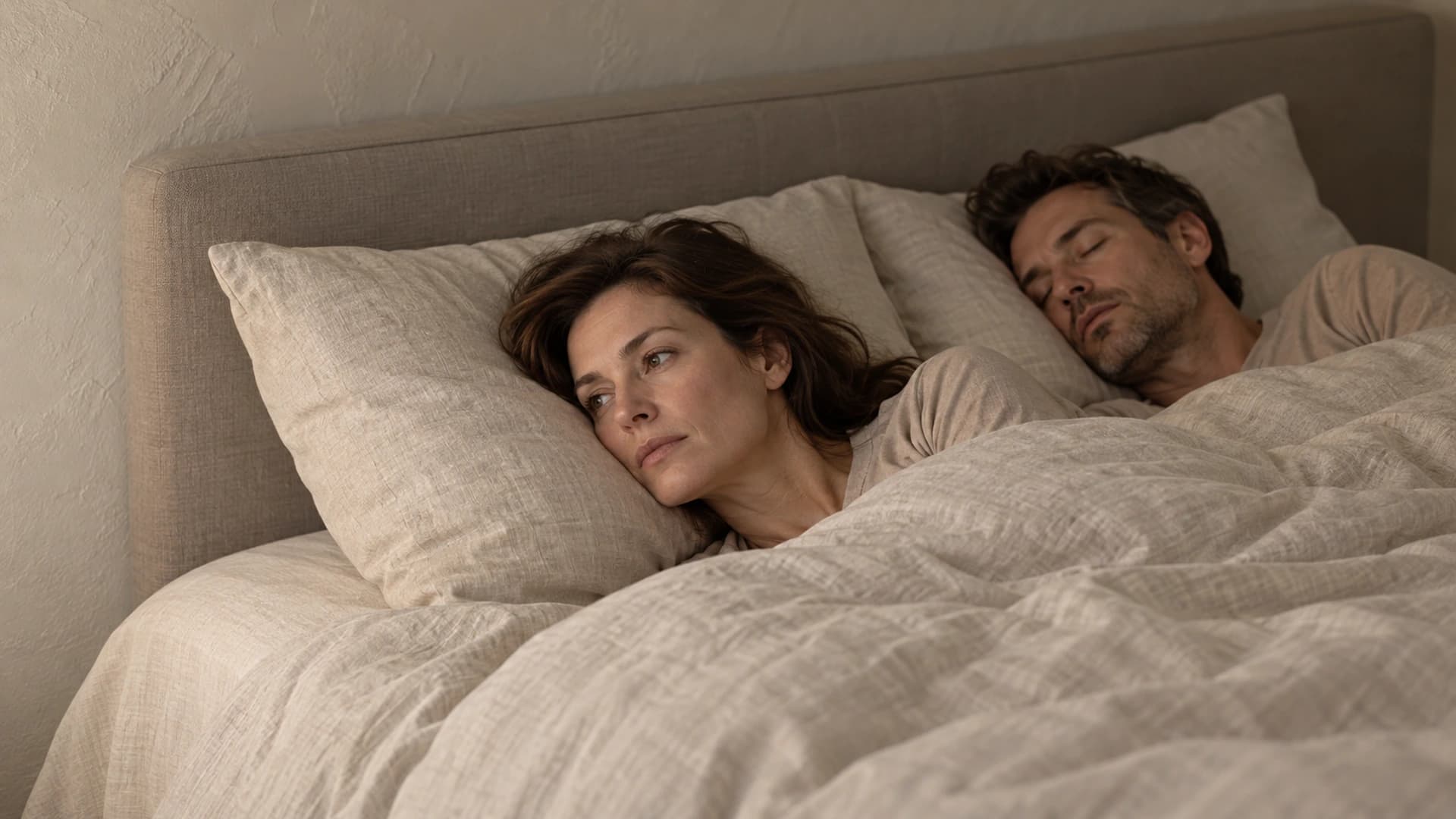
Just as you're about to fall asleep, the snoring next to you suddenly gets louder. When you finally do fall asleep, it wakes you up again in the middle of the night. Asking your partner to roll over brings a little peace and quiet, but before long, the noise returns. If this sounds familiar, start with adjustments that are easy to make, then choose tools based on what you're comfortable wearing and the noise you're dealing with. The goal is to reduce the disruption snoring causes to your sleep while helping both of you consider whether the snoring itself needs attention.
1. Is Your Partner's Snoring Affecting Your Sleep? First, Figure Out Whether It's Keeping You From Falling Asleep or Waking You Up During the Night.
If you're having trouble falling asleep, focus more on your sound environment at bedtime: Does the snoring keep distracting you as you wait for the next snore? If you're waking up during the night, consider whether your approach will last into the early morning—for example, whether your earplugs slip out, your earbuds run out of battery, or your background sound shuts off on a timer. Identifying when you're most affected can help you avoid addressing only the trouble falling asleep while overlooking what you need throughout the night.
2. Should You Use Earplugs, White Noise, or Sleep Earbuds to Block Out Your Partner's Snoring?
Are Foam Earplugs a Good Option for Blocking Out Snoring?
If you want an inexpensive way to reduce noise and don't need audio playback, foam earplugs can be a starting point. [1][2] Choosing a size that fits your ear canals and following the product's fitting instructions matter more than simply looking for a higher advertised noise reduction rating. When trying them out, check both noise reduction and comfort: Do they make your ears feel stretched or full? Do they cause pressure or pain when you sleep on your side? Are they still in place in the morning? Pain shouldn't be something you have to put up with.
Can White Noise Cover Up Snoring? What if You Don't Like White Noise?
White noise provides background sound that may make snoring less noticeable, but it isn't guaranteed to cover up all snoring, and it isn't right for everyone. [3][5] If white noise sounds harsh to you, try brown noise, rain sounds, or fan sounds. Different sounds have different frequency distributions and sound different to the listener. Consider both masking effectiveness and your own comfort rather than assuming one type must be the best. [3]
When Are Sleep Earbuds Worth Considering?
If earplugs reduce the noise but still aren't enough for your needs, and playing background sound out loud would disturb your partner, you could consider sleep earbuds that play audio directly in your ears.
Before buying, focus on how far they stick out when you're wearing them, the ear tip options, battery life in the mode you plan to use, and whether they offer a shutoff timer and manual controls. What makes earbuds suitable for sleep is whether you can use them comfortably and consistently—not just how many features they have.
3. Can Sleep Earbuds Really Block Out Snoring? How Do Active Noise Cancellation, Passive Isolation, and Sound Masking Work?
Active noise cancellation (ANC): Using opposite sound waves to reduce some snoring noise. Microphones pick up noise, a chip processes it, and the speakers produce corresponding opposite sound waves. The two waves combine in the ear, reducing the amplitude of some of the sound. [6] ANC generally works better on continuous, relatively steady low-frequency sounds; [7] its effectiveness is limited when snoring keeps changing in volume and frequency, and it usually can't eliminate it completely.
Passive isolation: Using the seal of the ear tips to reduce how much snoring reaches your ears. When the ear tips fit snugly in your ear canals, they form a physical barrier that reduces sound entering through gaps. The material also blocks some sound energy from passing through and is generally more effective at mid and high frequencies. [6][7] The actual result depends on the size and material of the ear tips and how well they seal when worn, [6] so choose ear tips that fit securely and comfortably rather than simply pushing them deeper.
Sound masking: Making the remaining snoring less noticeable. By playing background sounds such as rain or brown noise, earbuds can raise the threshold at which sounds in relevant frequency ranges become audible, making some snoring harder to notice. Masking doesn't cancel out snoring; its effectiveness depends on the frequency distributions and relative volumes of the background sound and the snoring. [8] When using it alongside passive isolation and ANC, keep playback at a low, comfortable volume rather than turning it up repeatedly to cover the snoring completely. [2]
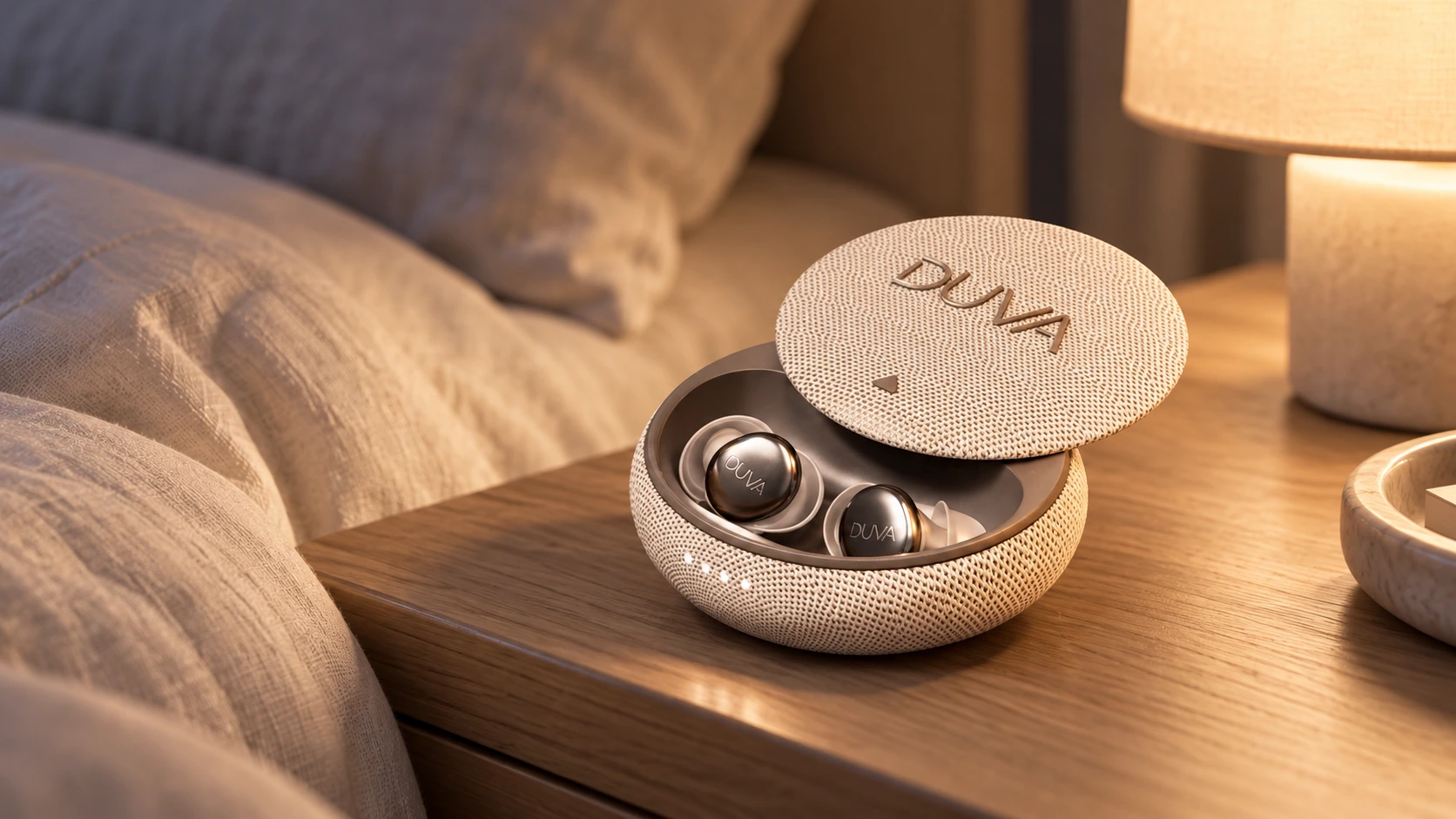
For people who want to combine noise cancellation with audio for sleep, DUVA ONE is one option to consider. It offers active noise cancellation and sleep sound support, letting you find a way to listen at night that suits your environment and personal preferences.
In addition to its audio features, the DUVA ONE charging case can monitor noise, temperature, humidity, and light, while sensors inside the earbuds collect physiological and activity signals. This information can offer clues about what's happening during the night. Learn more about DUVA ONE to see whether it fits your needs for comfort, audio, and your sleep environment.
4. When Your Partner Snores Heavily, When Should CPAP Treatment Be Considered?
First, determine whether a medical evaluation is needed: If snoring is accompanied by pauses in breathing, gasping or waking up choking, and significant daytime sleepiness, seek a medical evaluation for possible obstructive sleep apnea. [4] Loud snoring alone doesn't mean CPAP treatment is needed.
What causes snoring or pauses in breathing? During sleep, the throat muscles relax and the upper airway may narrow. Airflow causes soft tissue to vibrate, producing snoring. If the airway collapses further, it can obstruct breathing. [1][4] Factors such as obesity, a small or recessed lower jaw, and enlarged tonsils can increase the risk.
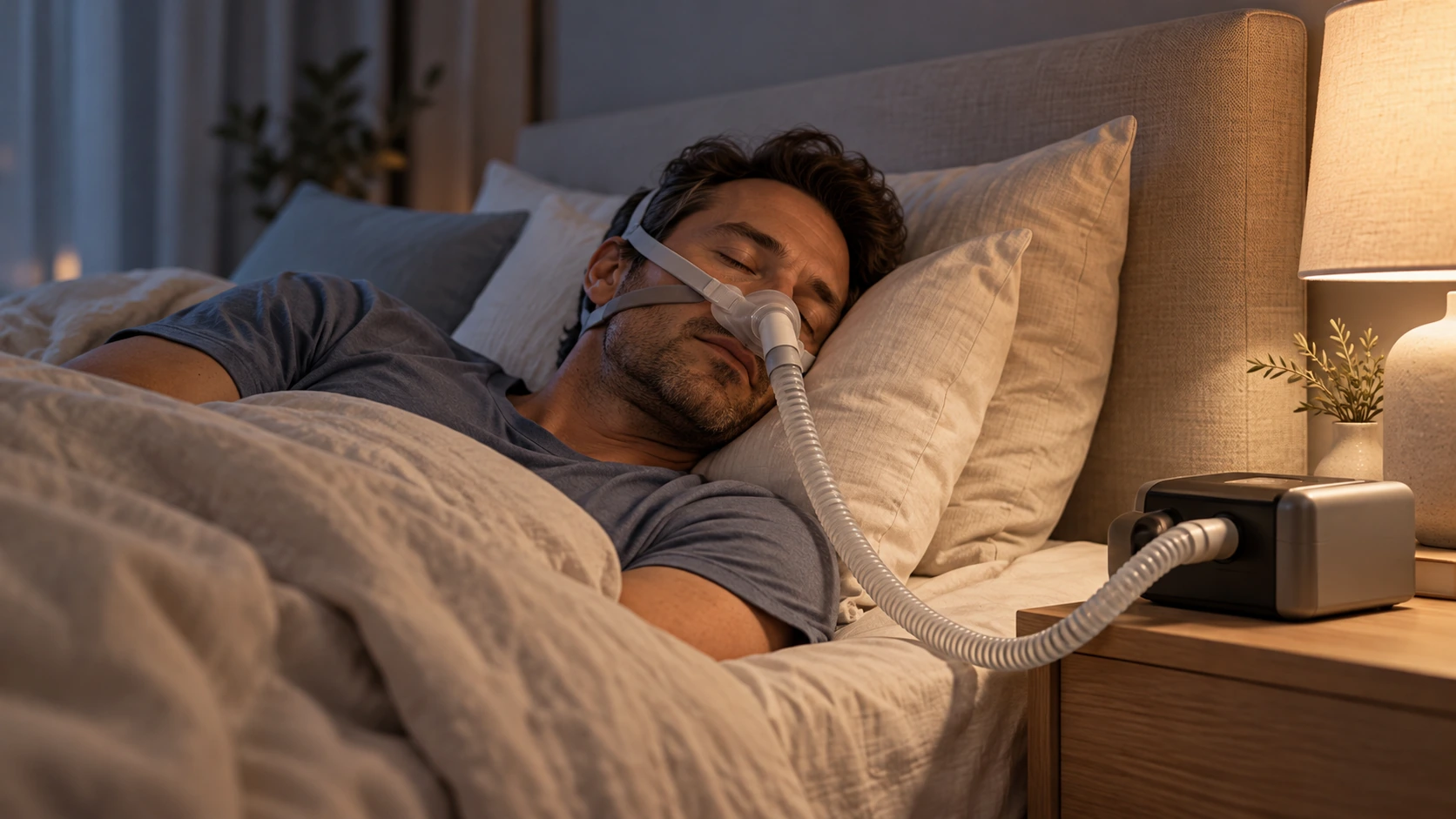
How does CPAP help? After a diagnosis, a doctor may recommend CPAP (continuous positive airway pressure). The machine delivers pressurized air through a mask, acting like an "air splint" to hold the airway open and reduce obstructive breathing pauses and related snoring. [4] A healthcare professional should determine whether it's appropriate and how the pressure should be set; earplugs and sleep earbuds can't replace this type of treatment.
Frequently Asked Questions (FAQ)
Can Noise-Canceling Earbuds Completely Block Out Your Partner's Snoring?
The actual result depends on the characteristics of the snoring, the earbuds' performance, and how well they seal. A more realistic expectation is to make the snoring less noticeable and reduce disruption. For snoring you can still hear, try adding a low-volume masking sound to make it less attention-grabbing.
Is White Noise, Brown Noise, or Rain Better for Covering Up Snoring With Earbuds?
There isn't one choice that works for everyone. Try each at a low, comfortable volume, and choose a sound that makes the snoring feel less abrupt without distracting you. If you don't like the hiss of white noise, try brown noise or gentle rain sounds. You don't need to keep raising the volume to cover up the snoring completely. [2][3] Finding the right sound frequencies is more important.
If Earplugs Hurt Your Ears, Would Sleep Earbuds Be More Comfortable?
They might be, but there's no guarantee. Sleep earbuds can also cause discomfort because of the ear tip size, insertion depth, or pressure from your pillow. When choosing a pair, pay attention to how far they stick out when worn and the ear tip options. If your ears already hurt, stop wearing them first. You could also consider playing background sound out loud at a low volume or temporarily sleeping in separate rooms.
If Your Partner's Snoring Keeps Getting Louder and Softer, Do You Need to Keep Adjusting Your Earbuds Manually?
Not necessarily. Start with a comfortable combination of noise cancellation and low-volume masking sound, and see whether it reduces the disruption enough. You don't need to adjust the volume in response to every change in snoring. If you're considering earbuds with adaptive features, check which settings they can adjust automatically and whether you can turn off those adjustments or control the settings manually.
After Buying Sleep Earbuds, How Can You Tell Whether They Help With Your Partner's Snoring?
Don't focus only on whether you can still hear the snoring. Pay more attention to whether it's easier to fall asleep, whether the snoring interrupts your sleep less often, and whether the earbuds stay comfortable all night. If the return policy allows a trial period, assess them over several nights of actual use while watching for problems such as ear pain, earbuds falling out, sounds switching, and battery life. Reducing disruption at a comfortable volume is what makes them more useful in practice.
References
[1] NHS. Snoring. 2023 (page reviewed: 2023-08-04). NHS. https://www.nhs.uk/symptoms/snoring/
[2] World Health Organization (WHO). Deafness and hearing loss: Safe listening. 2026 (2026-03-06). WHO. This article cites general guidance on safe listening and foam earplug use; exposure limits are not treated as recommended volumes for sleep. https://www.who.int/news-room/questions-and-answers/item/deafness-and-hearing-loss-safe-listening
[3] Summer, Jay Vera; medically reviewed by Rehman, Anis. What Is White Noise? 2025 (updated 2025-07-29). Sleep Foundation. An educational overview, not an original trial; the evidence on white noise as a sleep aid remains uncertain and does not establish the effectiveness of a specific pair of earbuds or guarantee results for snoring. https://www.sleepfoundation.org/noise-and-sleep/white-noise
[4] NHS. Sleep apnoea. 2026 (page reviewed: 2026-05-11). NHS. https://www.nhs.uk/conditions/sleep-apnoea/
[5] Riedy, S. M.; Smith, M. G.; Rocha, S.; Basner, M. Noise as a sleep aid: A systematic review. 2021. Sleep Medicine Reviews, 55, 101385. DOI: 10.1016/j.smrv.2020.101385. The publicly available abstract was checked for this article: 38 articles were included, findings on continuous noise and sleep were inconsistent, and the quality of evidence for improving sleep was very low. This does not establish effectiveness for specific snoring conditions or earbuds. https://europepmc.org/article/med/33007706
[6] Lim, Nicholas. What Is ANC?: How Active Noise Cancellation Can Help You Beat Noise. 2025 (updated 2025-09-02). RTINGS.com. An explanation of technical principles and testing, not a performance verification of DUVA ONE. https://www.rtings.com/headphones/learn/what-is-anc
[7] Lim, Nicholas. Our Headphone Tests: Noise Isolation. 2025 (updated 2025-10-06). RTINGS.com. Explains differences across frequency ranges, ANC adaptation time, and laboratory testing methods; it does not directly establish control of bedroom snoring or improvements in sleep. https://www.rtings.com/headphones/tests/noise-isolation-cancellation-passive-active
[8] Oxenham, Andrew J. Hearing. 2025 (the copyright year shown on this textbook page). Understanding Biological Behavior, 2nd Edition, Chapter 8, UM System Pressbooks. Cites the general principles of auditory masking in the "Audibility, Masking, and Frequency Selectivity" section, not a product trial of sleep earbuds. https://umsystem.pressbooks.pub/ubb2e/chapter/hearing/